
Focus: Construction Trades
Let's Build Stuff!
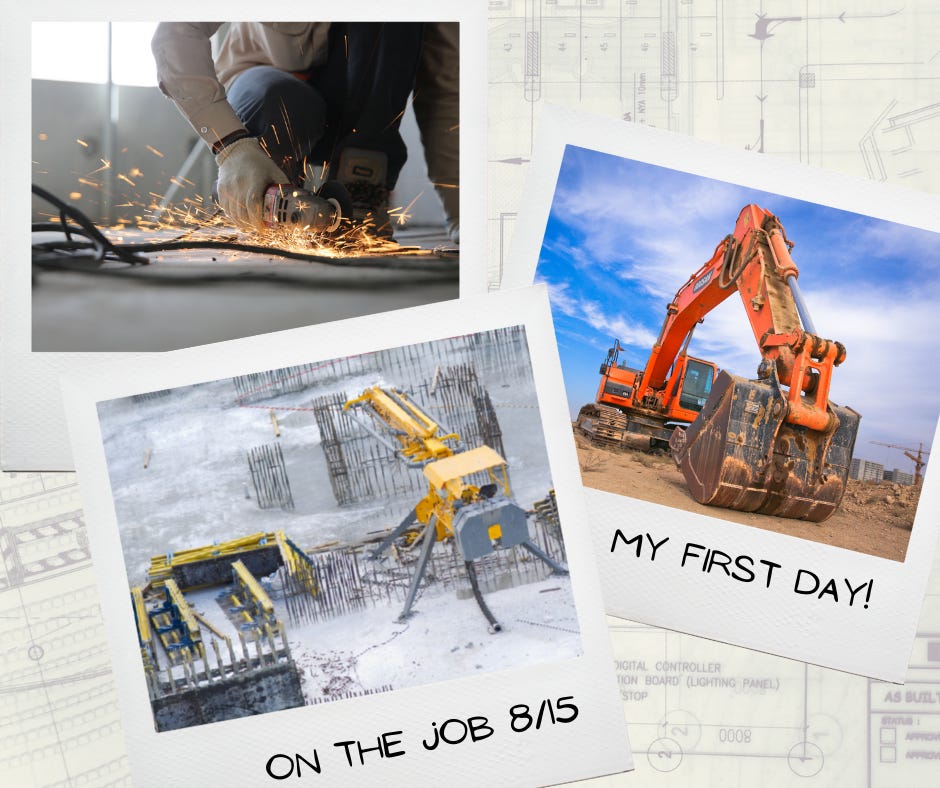
If you have ever admired a skyscraper or complimented a friend on their cool house, you have noticed the work of tradesmen (and women!). Without the specialized efforts of carpenters, plumbers, electricians, brick masons, et al, none of the structures we see every day would exist.
The construction trades allow people to see the results of their efforts almost immediately, so if you like working with your hands and enjoy instant gratification, this may be an area to pursue. But be prepared to work HARD: these fields require years of training and testing, and they require indoor and outdoor work in all sorts of challenging conditions. In return, you will be rewarded with comfortable salaries and good benefits, not to mention the pride of knowing that you built that.
Consider the following, which gives a broad overview of just a few of the specialties in the construction trades1:

You’ll notice that only one of the fields listed above requires a degree of some sort — the others rely on the apprenticeship model, plus class time. An apprenticeship is paid hands-on training; it essentially replaces the four-year degree, but it doesn’t ask you to pay for the degree. Instead, IT pays YOU. Not a bad deal! A typical apprenticeship requires an average of 2000 hours of work per year; in some fields, 100-200 hours in class are also required each year. These classes are not fluffy; they include courses in reading blueprints, safety, physics, math, and chemistry, just to name a few. Upon completion of the formal apprenticeship, you might take a test of some sort — or simply get final approval from your supervisor — and certain specialties need to get licensed or certified with the state to be compliant. At this point, you will be considered a journeyman (which means you can work without supervision) in your chosen trade2.
How can you enter one of these fields? You have SO many ways to get started!
You could investigate job boards like Tradeworthy Jobs, Zippia, or even the Mike Rowe Works Foundation website, which links to ZipRecruiter job postings for the trades.
Another option is to investigate local tech schools, where you can take individual classes in different fields. This could help you get a basic understanding of what each field demands and where your personal strengths and interests lie. This could also help you earn certification in your chosen area.
A third option is to research specific companies by going to their websites and applying for jobs directly through their sites or contacting hiring managers to inquire about “coming-soon” opportunities.
Regardless of where you are in your life’s work journey, it’s never too late to pursue work that you love, and it’s never too early to start learning about alternative career options. You may find that you can take charge of your own life much sooner than you realized…and get PAID to do it!
https://study.com/articles/Construction_Trades_Specific_Trade_Education_for_Contractors.html
https://thebestschools.org/careers/career-guide/construction-skilled-trade-careers/
https://byf.org/explore/construction-careers/
https://work.chron.com/union-apprenticeship-work-23993.html
https://www.zippia.com/construction-apprentice-jobs/